
Why Pests Invade Homes in the Fall
The first cool mornings of fall are a welcome break from Missouri’s summer heat. Unfortunately, they’re also a signal to many pests that it’s time to start looking for warmth, food, and shelter before winter arrives.
If you’ve ever noticed more ants in the kitchen, wasps lingering around your home, or an increase in spiders after the weather changes, you’re not imagining it. Fall is one of the busiest seasons for pest activity—not because pests suddenly appear, but because they’re searching for a safe place to survive the colder months.
The good news? A little prevention now can save you from a much bigger pest problem later.
Why Do Pests Move Indoors in the Fall?
Like people, pests respond to changing weather. As temperatures begin to drop throughout St. Louis and St. Charles Counties, insects become more active in their search for protection from the cold.
Many pests are looking for three simple things:
- Warmth
- Moisture
- A reliable food source
Your home provides all three. Even tiny openings around your home can become an invitation for unwanted visitors.
Common Entry Points Around Your Home
You might be surprised by how little space pests need to get inside.
Some of the most common entry points include:
- Gaps around doors and windows
- Cracks in the foundation
- Utility lines entering the home
- Dryer vents and exhaust vents
- Damaged weather stripping
- Open garage doors
- Small holes in siding or brick mortar
Many homeowners don’t notice these openings until pests have already found them. Taking time to inspect and seal these vulnerable areas before temperatures drop can significantly reduce your chances of an infestation.
Fall Pests to Watch For
While every season brings different pest challenges, several common pests become especially active during the fall.
- Ants: Ant colonies work hard to prepare for winter. As outdoor food sources disappear, ants often begin exploring homes in search of crumbs, pet food, and moisture. If you’re seeing a few ants inside, there are likely many more nearby.
- Wasps and Yellow Jackets: Late summer and early fall are peak activity periods for wasps and yellow jackets. Their colonies are at their largest, food becomes scarcer, and they often become more aggressive as they search for sugary foods and protein. Nests hidden under decks, inside wall voids, or beneath roof eaves can remain active well into the fall. Professional removal is the safest way to eliminate an active nest.
- Mosquitoes: Many homeowners assume mosquitoes disappear once summer ends. In reality, mosquitoes remain active until the first hard frost. Standing water from clogged gutters, bird baths, flowerpots, or children’s toys continues providing breeding sites throughout early fall. Reducing mosquito populations before winter can help decrease activity around your property during the changing seasons.
- Fleas and Ticks: Fleas and ticks don’t simply disappear when temperatures cool. Ticks often remain active well into autumn, especially during mild Missouri falls. Fleas can quickly move indoors on pets, where warm indoor temperatures allow them to continue reproducing throughout the winter.
Maintaining preventative treatments helps protect both your family and your pets.
Prevention Is Always Easier Than Elimination
One of the biggest misconceptions homeowners have is waiting until they see pests before calling a pest control professional.
By then, pests have often:
- Established nesting areas
- Found food sources
- Located multiple entry points
- Begun reproducing
Preventative pest control works differently. Instead of reacting to an infestation, preventative treatments create barriers that help stop pests before they become a problem. Routine inspections also allow professionals to identify vulnerable areas around your home that many homeowners overlook.
Simple Ways to Help Keep Pests Outside
While professional pest control provides the best protection, homeowners can also reduce pest activity by:
- Sealing cracks and gaps around the home’s exterior
- Replacing damaged weather stripping
- Keeping tree branches trimmed away from the roof
- Cleaning leaves from gutters
- Eliminating standing water around the property
- Storing firewood away from the home
- Keeping food in sealed containers
- Cleaning up fallen fruit and pet food outdoors
These small maintenance tasks can make your home much less attractive to pests searching for winter shelter.
Protect Your Home Before Pests Settle In
The best time to think about fall pests isn’t after you find them in your home—it’s before they ever get inside.
At Vogelsang Pest Management, we help homeowners throughout St. Louis and St. Charles Counties stay ahead of seasonal pest problems with preventative pest control designed for Missouri’s changing seasons.
By identifying potential entry points, treating problem areas, and creating a customized prevention plan, we help you enjoy the cooler months without unwanted guests moving in.
Schedule your preventative pest inspection today and keep your home protected before fall pests decide to make themselves comfortable.
Frequently Asked Questions
Why do pests come inside during the fall?
As temperatures cool, pests begin searching for warmth, food, and shelter. Homes provide ideal conditions for many insects and other pests to survive the colder months.
What pests are most common during the fall in Missouri?
In St. Louis and St. Charles Counties, homeowners commonly see ants, wasps, yellow jackets, mosquitoes, fleas, and ticks remaining active during early fall as they prepare for seasonal changes.
When should I schedule fall pest control?
Early fall is the ideal time. Preventative treatments before temperatures drop help stop pests before they establish themselves inside your home.
Is preventative pest control worth it?
Yes. Preventative pest control is typically more effective and less costly than treating a full infestation after pests have already moved inside.
How can I keep pests out of my house this fall?
Seal cracks around your home’s exterior, eliminate standing water, maintain your landscaping, keep food stored properly, and schedule a preventative pest inspection to identify potential problem areas before pests move in.
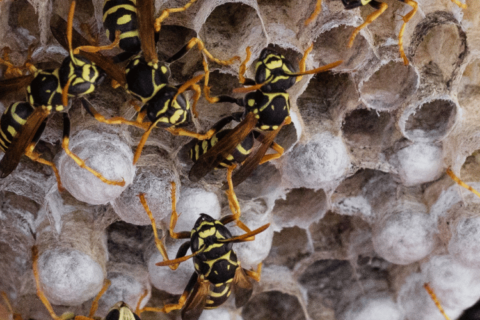
Why Are Wasps and Yellow Jackets Worse in the Fall?
If you’ve noticed more wasps and yellow jackets buzzing around your yard or yellow jackets…
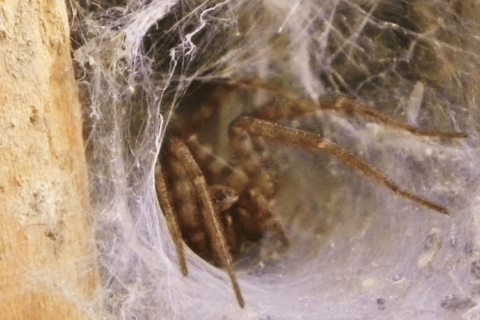
September rolls around in Missouri and, like clockwork, you start spotting more and more spiders—especially in the basement. If you’ve noticed a…