
Brown Recluse Spiders: What Every Homeowner Should Know
If you’ve lived in Missouri for any length of time, you’ve probably heard stories about brown recluse spiders. Maybe you’ve even spotted one in your basement, garage, or storage room.
The good news? While brown recluse spiders are native to Missouri and are commonly found throughout the state, they aren’t aggressive and would much rather avoid people than interact with them. Understanding where they live, how to identify them, and what attracts them to your home is the best way to reduce the chances of an unwanted encounter.
Why Are Brown Recluse Spiders So Common in Missouri?
Missouri sits right in the heart of their natural habitat. Our warm summers, mild falls, and abundance of wooded areas create ideal conditions for these spiders to thrive.
Unlike many spiders that build large, visible webs outdoors, brown recluse spiders prefer quiet, dark, undisturbed places indoors.
That means they’re often found in:
- Basements
- Garages
- Attics
- Closets
- Crawl spaces
- Storage rooms
- Cardboard boxes
- Behind furniture
- Under appliances
- Inside shoes or boots that haven’t been worn recently
If a space is rarely disturbed, it can become an attractive hiding place.
How to Identify a Brown Recluse Spider
One of the biggest misconceptions is that every brown spider is a brown recluse. In reality, many harmless spiders are mistaken for them.
A brown recluse typically has these characteristics:
- Light tan to dark brown body
- Long, slender legs without noticeable bands or spines
- Body about the size of a quarter when legs are extended
- Distinctive violin-shaped marking on the back, with the neck of the violin pointing toward the abdomen
- Six eyes arranged in three pairs (most spiders have eight eyes)
Because several Missouri spiders look similar, identification isn’t always easy. If you’re unsure, avoid handling the spider and contact a pest professional for assistance.
Are Brown Recluse Spiders Dangerous?
They have venom, but bites are actually uncommon.
These spiders are not aggressive. Most bites occur when the spider becomes trapped against the skin, such as:
- Putting on shoes that have been sitting in a closet
- Reaching into storage boxes
- Moving firewood
- Handling items stored in garages or basements
- Rolling onto one while sleeping
Many suspected brown recluse bites are later determined to have other causes. If you believe you’ve been bitten, monitor the area closely and seek medical advice, especially if symptoms worsen or you experience severe pain, fever, or an enlarging wound.
What Attracts Brown Recluse Spiders?
They aren’t looking for people, they’re looking for shelter and food.
Your home may become more attractive if it has:
- Cluttered storage areas
- Cardboard boxes
- Unsealed foundation cracks
- Gaps around windows and doors
- Insects that serve as a food source
- Dark, undisturbed spaces
The more hiding places and food available, the more comfortable spiders become.
How to Help Keep Brown Recluse Spiders Out of Your Home
Fortunately, a few preventative measures can make your home much less inviting.
Reduce Clutter
Store seasonal decorations and keepsakes in sealed plastic containers instead of cardboard boxes whenever possible.
Seal Entry Points
Inspect your home for gaps around:
- Windows
- Doors
- Utility lines
- Foundation cracks
Sealing these openings can help reduce spider entry.
Vacuum Regularly
Pay extra attention to:
- Baseboards
- Behind furniture
- Storage shelves
- Basement corners
- Closets
Regular cleaning removes webs, egg sacs, and insect prey.
Shake Out Stored Items
Before putting on shoes, gloves, jackets, or reaching into boxes that have been stored for a while, give them a quick shake.
It’s a simple habit that can help prevent accidental encounters.
Reduce Other Insects
Since spiders feed on insects, controlling other household pests also helps reduce spider activity.
When Is It Time to Call Vogelsang Pest Control?
Seeing a single brown recluse spider doesn’t always mean you have an infestation. Because these spiders are excellent at hiding, however, repeated sightings can be a sign that more are living behind the scenes.
If you’ve noticed any of the following it’s time to contact Vogelsang Pest Control.
- Multiple brown recluse spiders inside your home
- Spider egg sacs in storage areas, basements, or garages
- Frequent sightings in different rooms
- Spiders returning despite your own prevention efforts
Our experienced technicians understand the habits of Missouri’s brown recluse spiders and know where they like to hide. Instead of simply treating the spiders you can see, we perform a thorough inspection to locate harborages, identify how they’re getting inside, and create a treatment plan designed to reduce the population and help keep your home protected.
When it comes to brown recluse spiders, early intervention can make all the difference, and we’re here to help you regain peace of mind.
__
Frequently Asked Questions
Are brown recluse spiders common in Missouri? Yes. Missouri is one of the states where they are naturally established, making sightings more common than in many other parts of the United States.
What months are brown recluse spiders most active? Brown recluse spiders are generally most active from late spring through early fall, with increased activity often noticed during the warm summer months, including August.
Do brown recluse spiders build webs? Yes, but unlike orb-weaving spiders, they build small, irregular webs that are used primarily as retreats rather than for catching prey.
Should I kill every brown spider I see? Not necessarily. Many harmless spiders resemble brown recluse spiders and actually help control other insects. Proper identification is important before taking action.
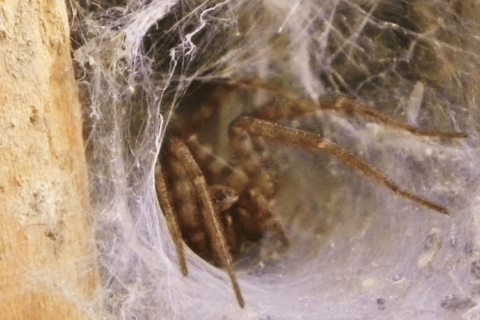
September rolls around in Missouri and, like clockwork, you start spotting more and more spiders—especially in the basement. If you’ve noticed a…
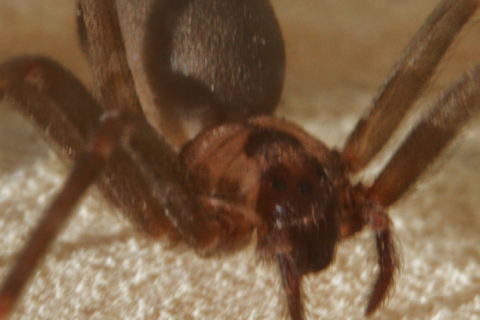
If there’s one pest no Missouri homeowner wants to hear about, it’s the brown recluse. Unfortunately, August is the peak of their mating…